
ADHD and the Brain: Understanding the Neurological Differences
Attention Deficit Hyperactivity Disorder (ADHD) is one of the most commonly discussed neurodevelopmental conditions, yet it remains widely misunderstood. Many people still view ADHD as simply a behavioral issue --- a lack of discipline or willpower. The reality is far more nuanced: ADHD is a condition rooted in measurable neurological differences in the brain.
The ADHD Brain Is Structurally Different
Research from institutions including King’s College London has demonstrated that the brains of people with ADHD differ from those without the condition in several important ways. Brain imaging studies have revealed differences in both the structure and function of key regions involved in attention, impulse control, and executive function.
Some of the most consistent findings include:
- Prefrontal cortex differences: The prefrontal cortex, responsible for planning, decision-making, and impulse control, tends to develop more slowly and may be smaller in individuals with ADHD.
- Neurotransmitter imbalances: ADHD is associated with lower levels of dopamine and norepinephrine --- chemicals that play a central role in motivation, reward, and sustained attention.
- Network connectivity: The connections between different brain regions, particularly those involved in the default mode network and the task-positive network, function differently in people with ADHD. This can lead to difficulty switching between restful and focused states.
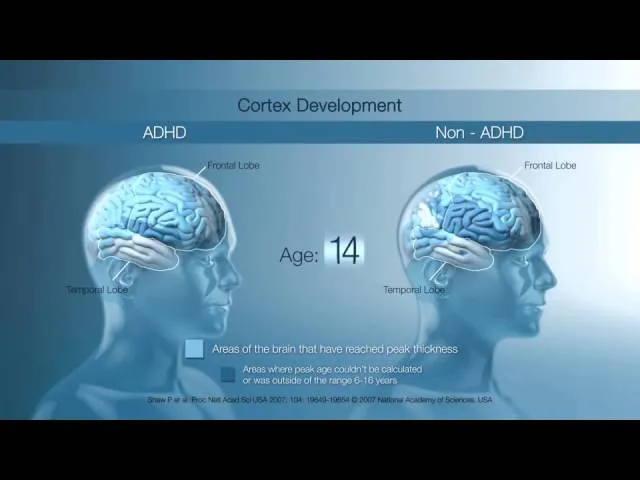
- Delayed brain maturation: Studies have shown that certain areas of the brain may reach full maturity several years later in children with ADHD compared to their peers.
What This Means in Daily Life
These neurological differences translate into real challenges in everyday functioning. People with ADHD may experience:
- Difficulty sustaining attention on tasks that are not inherently stimulating
- Impulsivity in speech and actions
- Challenges with working memory and organization
- Trouble regulating emotions
- Difficulty with time management and long-term planning
It is important to emphasize that these are not character flaws. They are the result of how the brain is wired. Understanding this distinction is crucial --- both for the individuals living with ADHD and for the people around them.
Why This Matters for Treatment
Because ADHD has a neurological basis, effective management often requires a multifaceted approach. Behavioral strategies, environmental modifications, educational accommodations, and in many cases medication can all play a role in helping individuals with ADHD thrive.
For children and adults who also experience speech, language, or literacy challenges alongside ADHD, working with a speech-language pathologist can be an important part of the overall support plan. ADHD frequently co-occurs with conditions such as dyslexia, language processing disorders, and social communication difficulties.
Learn More
King’s College London has produced an excellent video explaining the neurological differences in ADHD in an accessible and visually engaging way. We highly recommend it for anyone looking to deepen their understanding of how the ADHD brain works. Understanding the science behind ADHD is the first step toward compassion, effective support, and meaningful progress.
If you or your child has been diagnosed with ADHD and is also experiencing speech, language, or reading difficulties, Kansas City Speech Professionals can help. Contact us to learn more about how our services can support the full picture of your needs.